

Is AI getting better? Are my students getting better? (Or maybe I'm getting better?)
I’ve only been teaching this module, Creative Development Enhanced with AI, for 3 years. In fact, I’ve only been teaching anything for 3 years. ( I left life as an advertising creative back in 2023, and became a lecturer at Westminster Business School).
I was asked to create and teach a module to that introduces first year marketing students to the creative side of advertising. We put the word ‘AI’ in the title to make it seem sexy/current. But I focused heavily on non-AI things. Like thinking. Then used AI to enhance and explore.
This year I was truly impressed by the work my students produced. Especially as they’re studying marketing, not advertising. And this was the first time they’d come across a creative brief.
(By the way, all the final briefs aligned to one of the United Nations Sustainable Development Goals, focusing mainly on sustainabilty.)
See what you think. And there’s some more blurb about teaching methods at the end, if you’re interested.
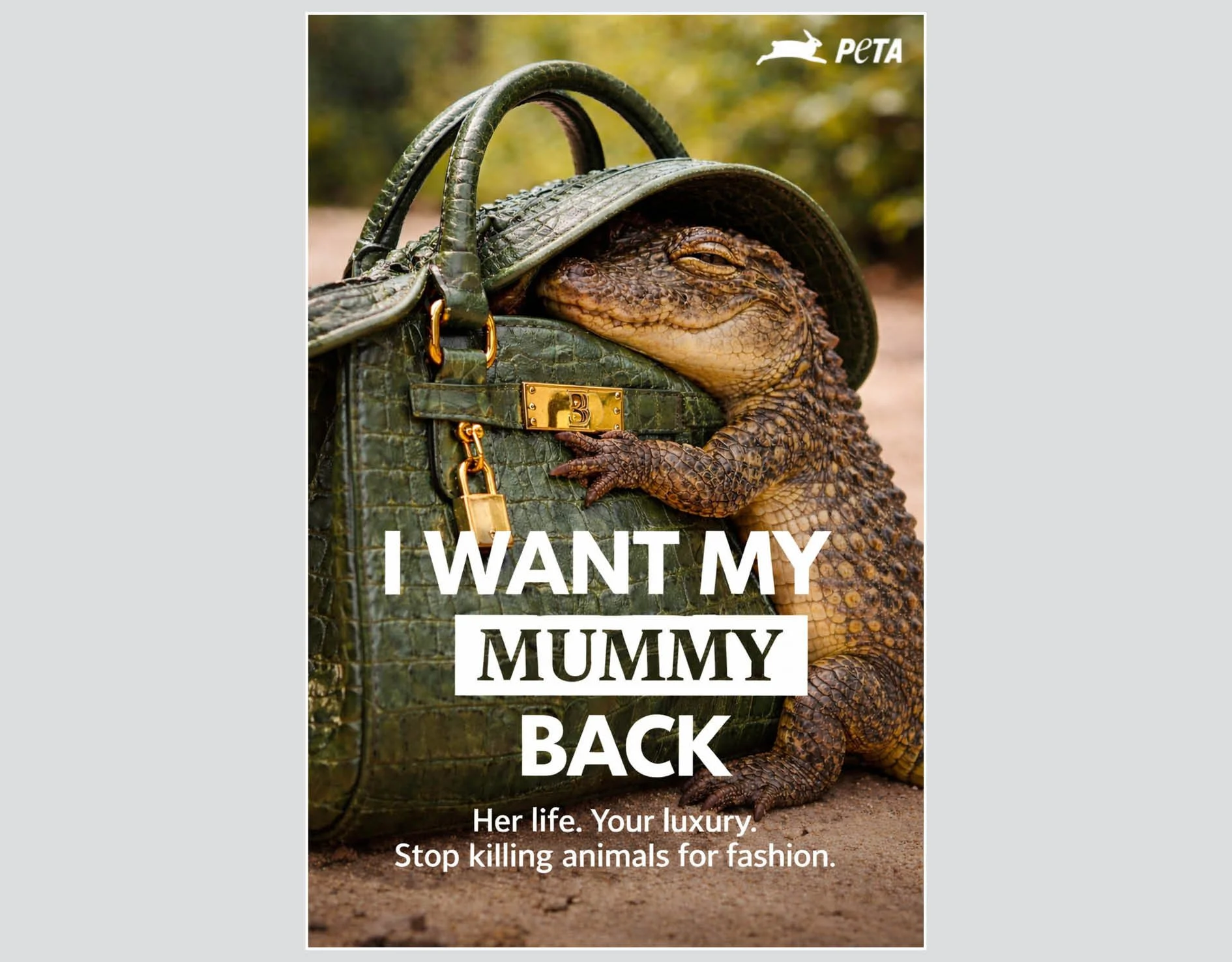
Simple and emotive reminder of where skin bags come from. For Peta, the anti animal cruelty charity. By Simran Bhaker.
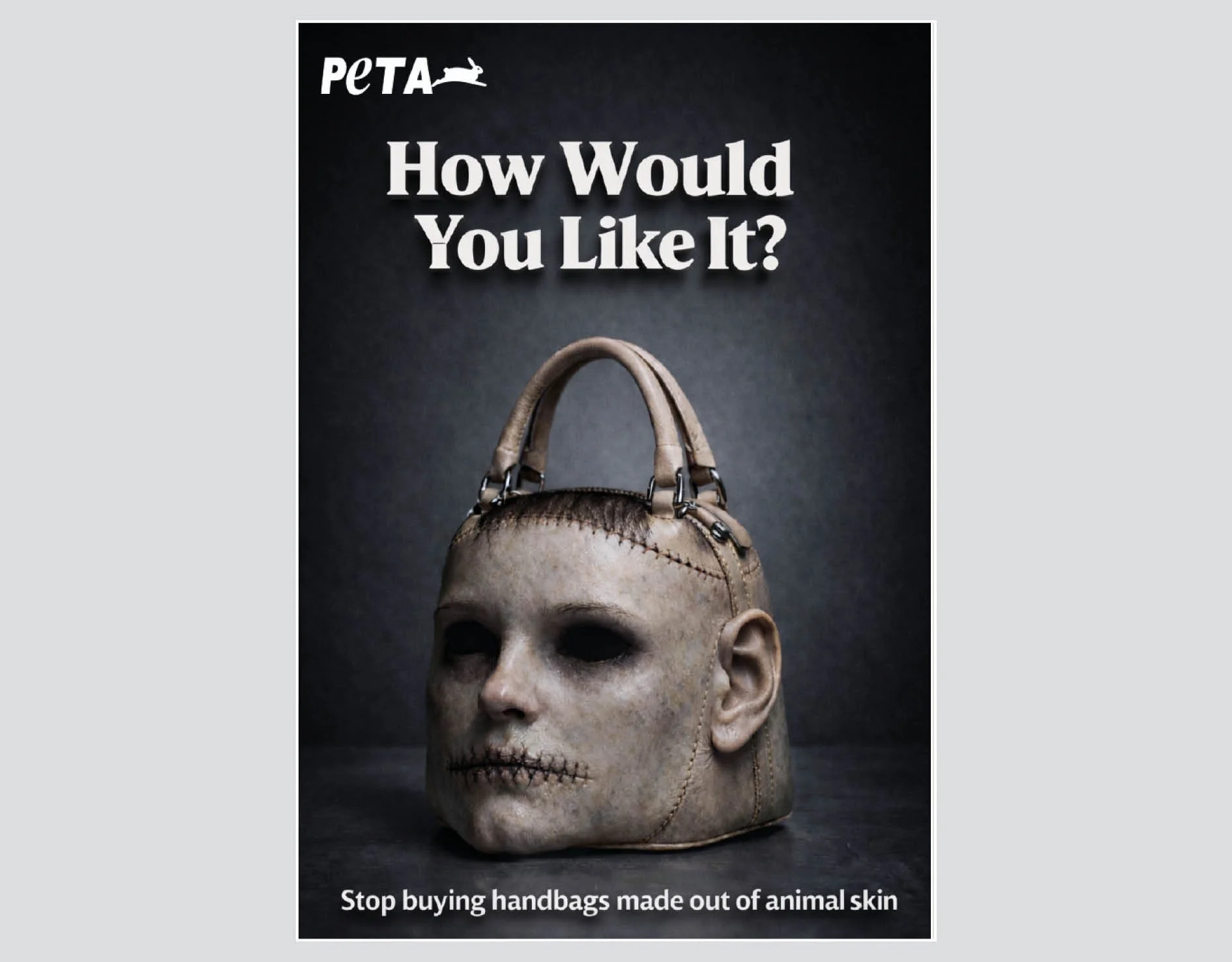
Simple and emotive reminder of where skin bags come from. For Peta, the anti animal cruelty charity. By Nelya Rathnayaka
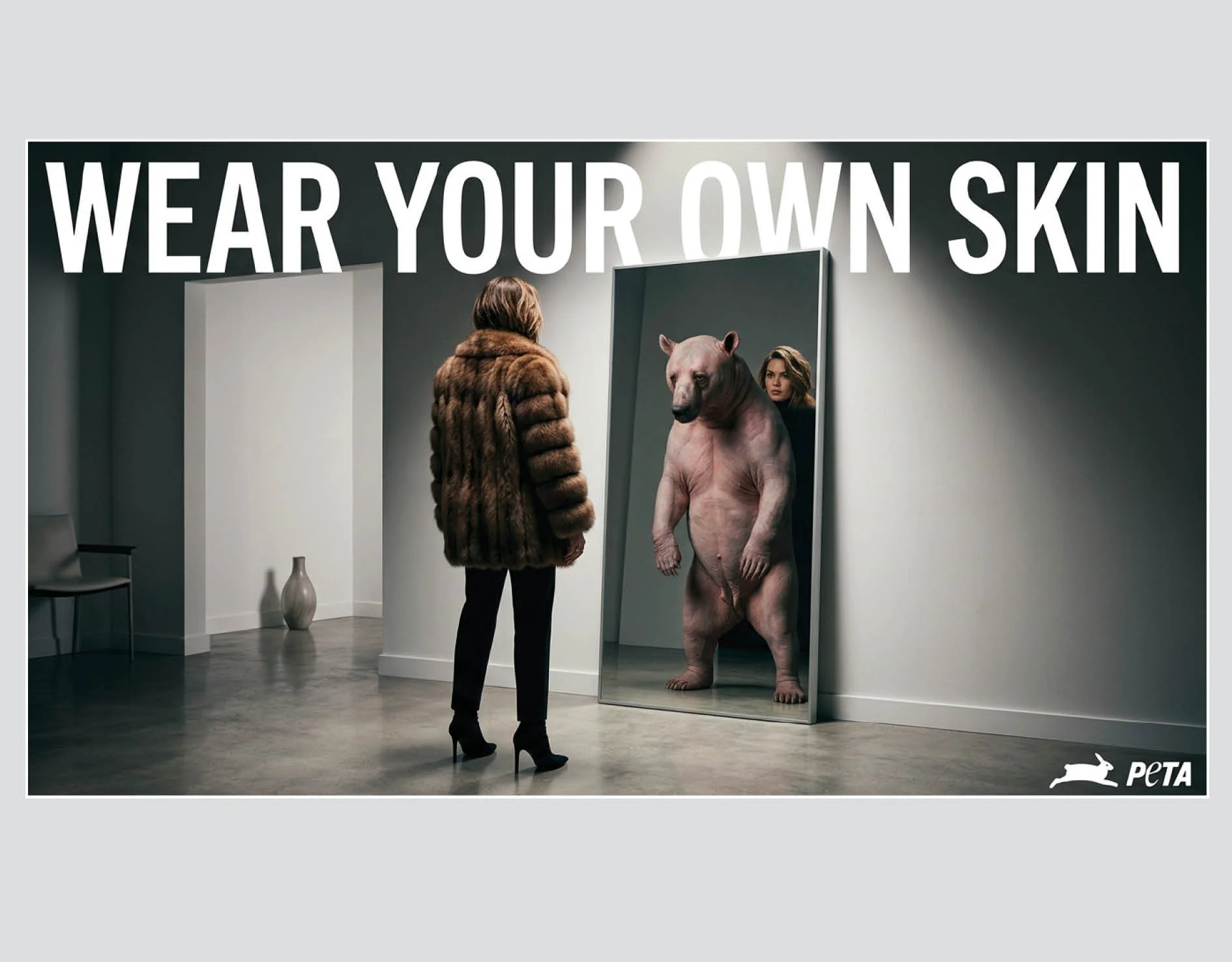
Simple and emotive reminder of where skin bags come from. For Peta, the anti animal cruelty charity. By Rumaisa Ali
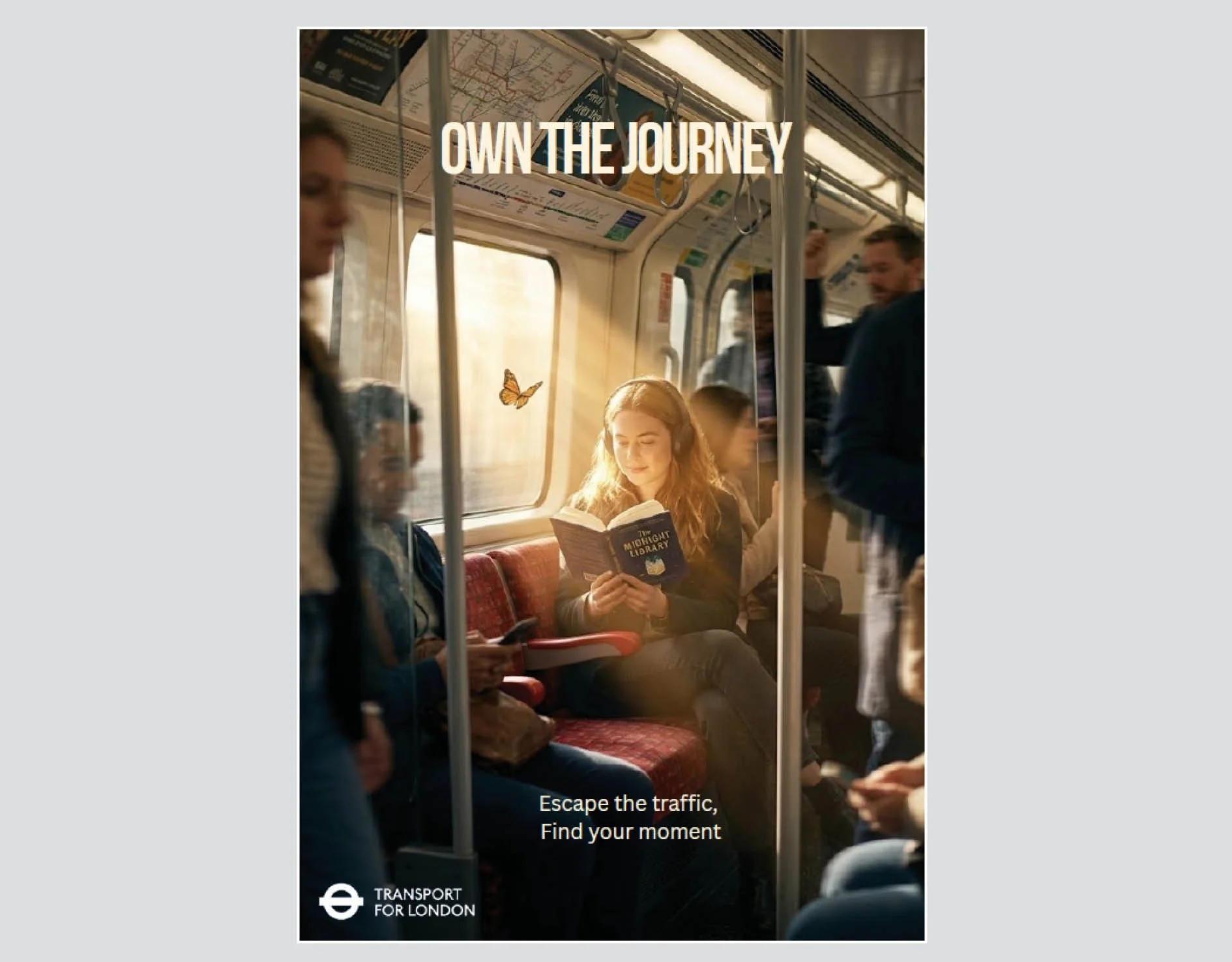
Encouraging sustainable public transport over stressful, polluting car travel. By Carolina Diego Schlettwein
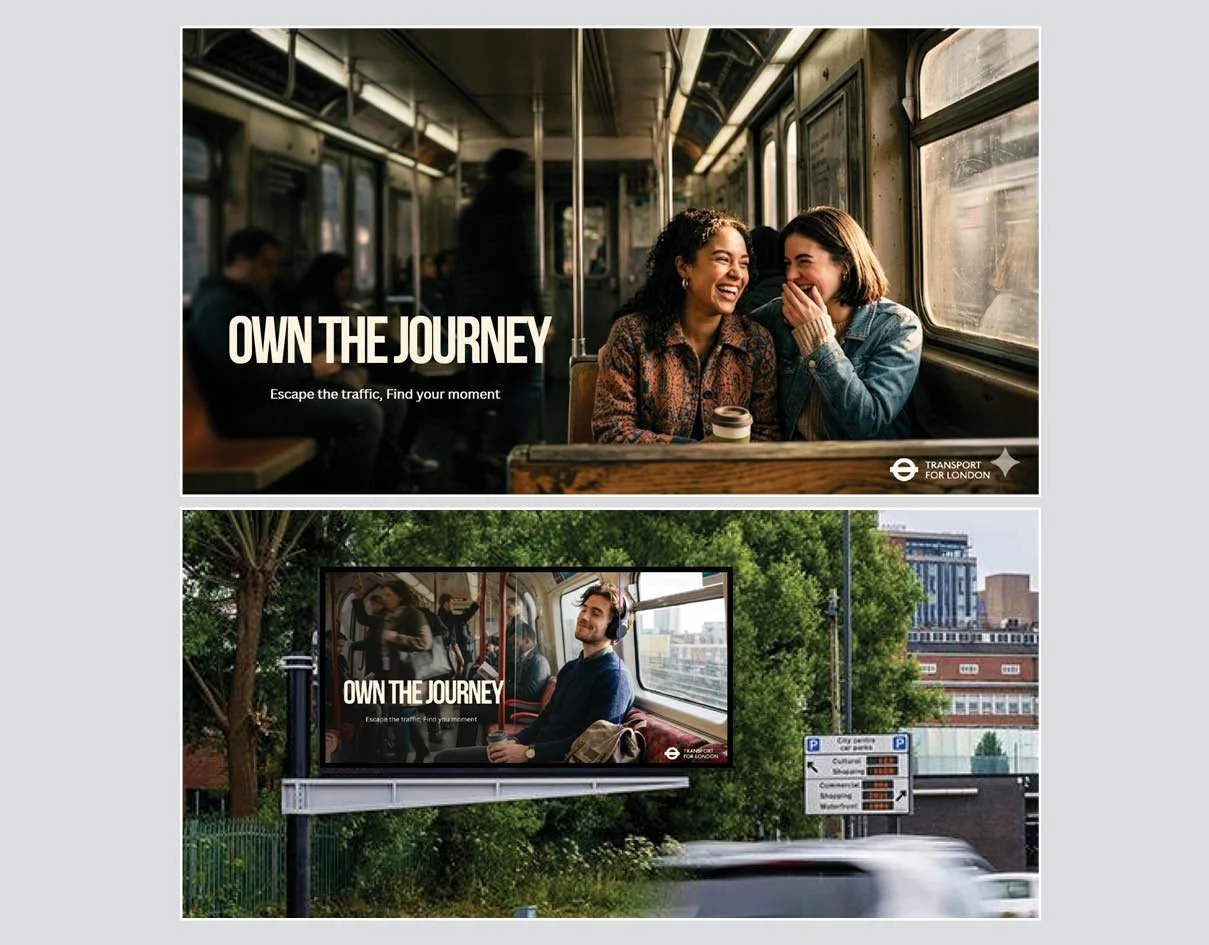
Encouraging sustainable public transport over stressful, polluting car travel. By Carolina Diego Schlettwein
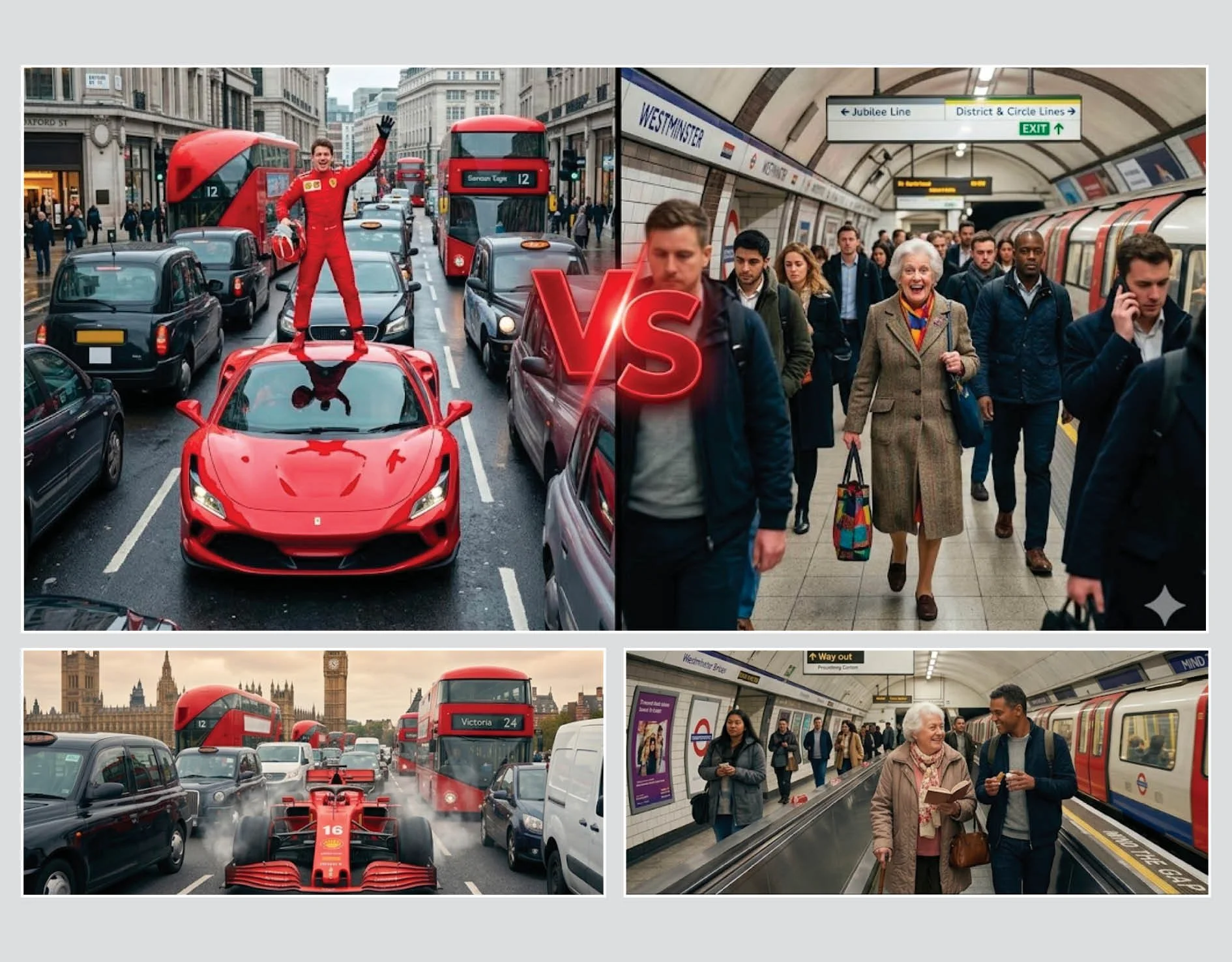
Own The Journey - Stunt / Social post. An elderly woman races (and beats) a famous F1 driver across London. She has some moments of connection along the way. By Carolina Diego Schlettwein
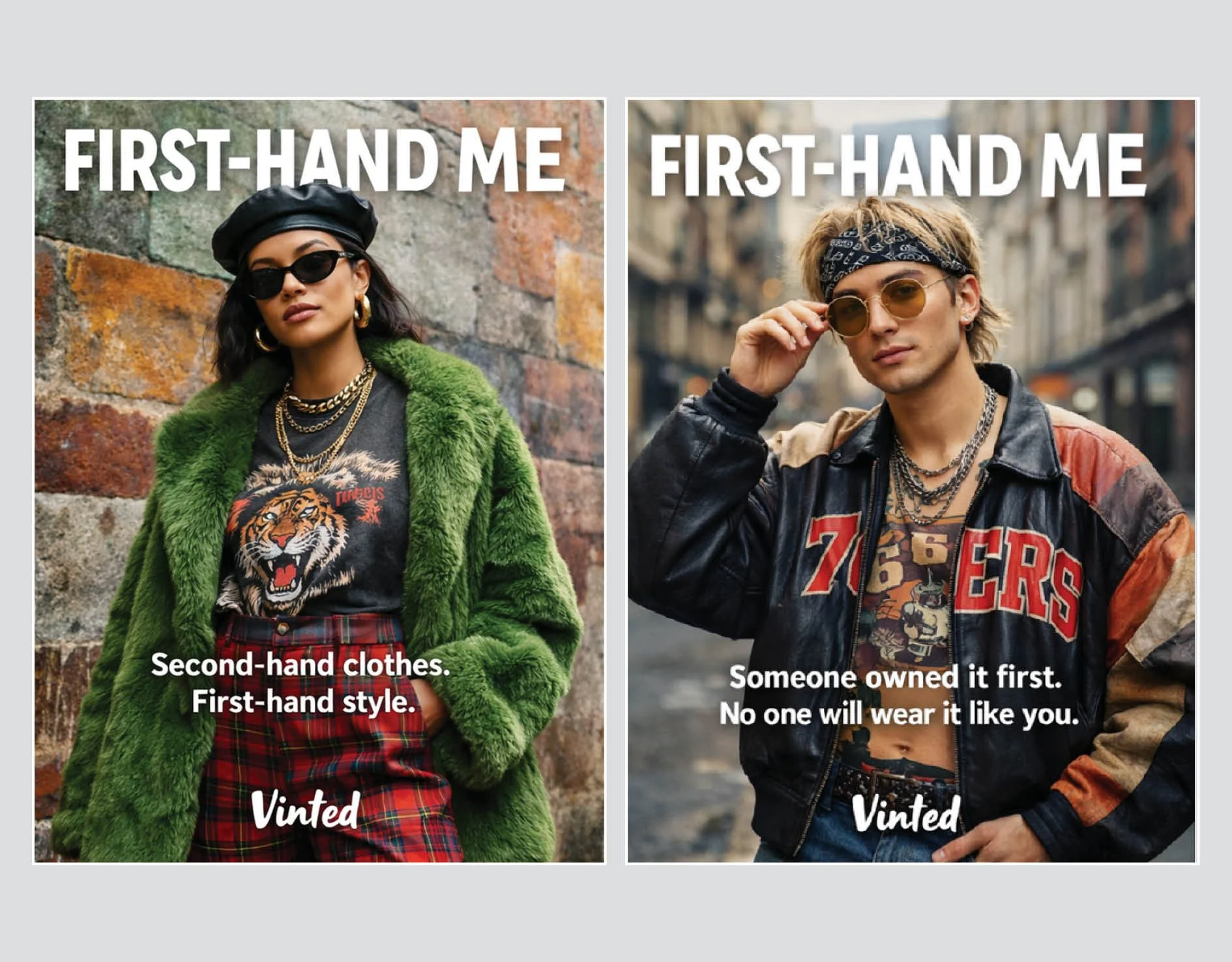
Turning ‘Second-hand’ on its head. Through Vinted, you can create a never-seen-before unique look. By Abbas Hussain and Zedan Hussain
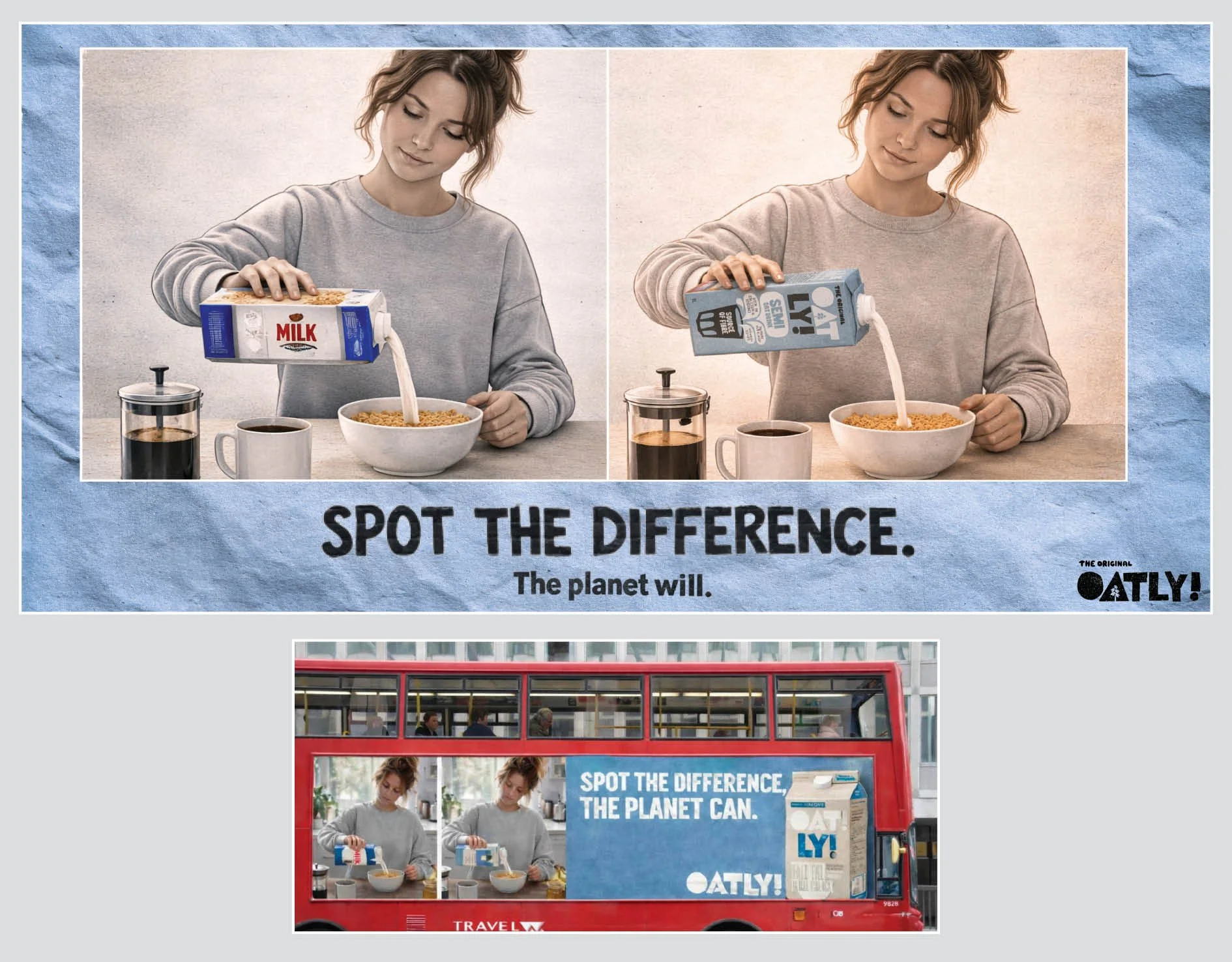
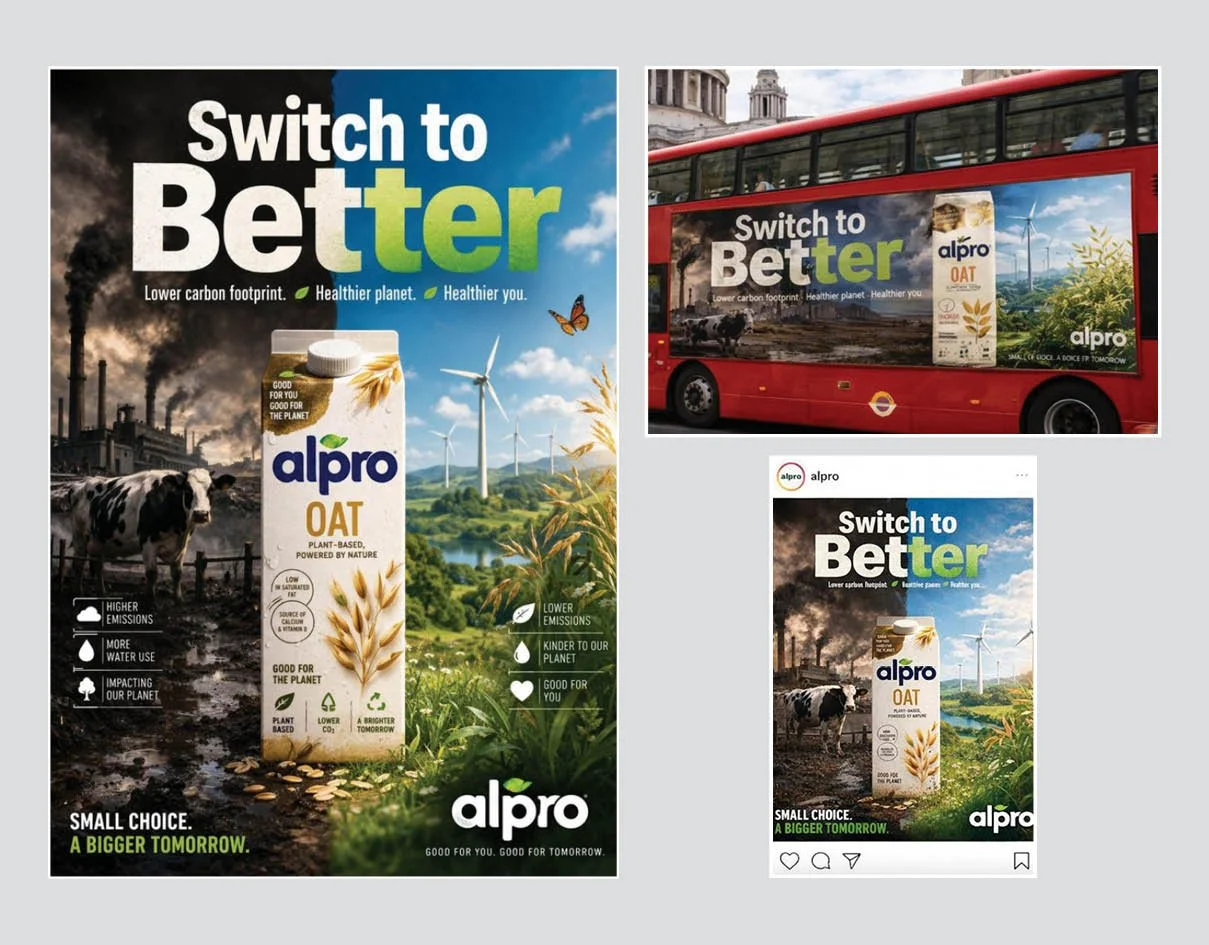
You won’t be able to spot the difference in taste. A challenge to consumers to see if they can taste the difference. By Ziana Jivanjee and Maria Roshchin
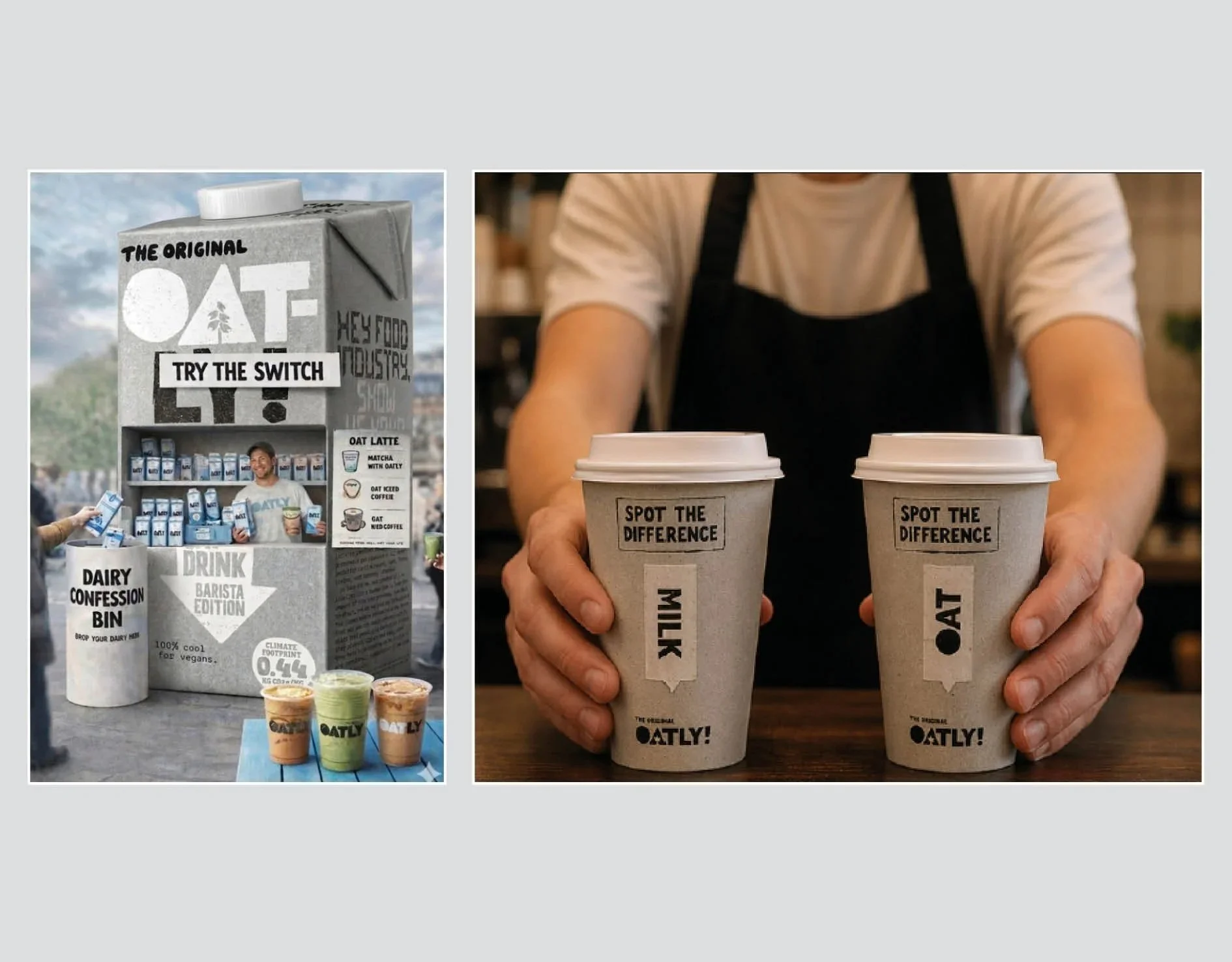
Can you Spot the Difference? Taste test pop-up. Including a confession bin for dairy packaging. By Ziana Jivanjee and Maria Roshchin
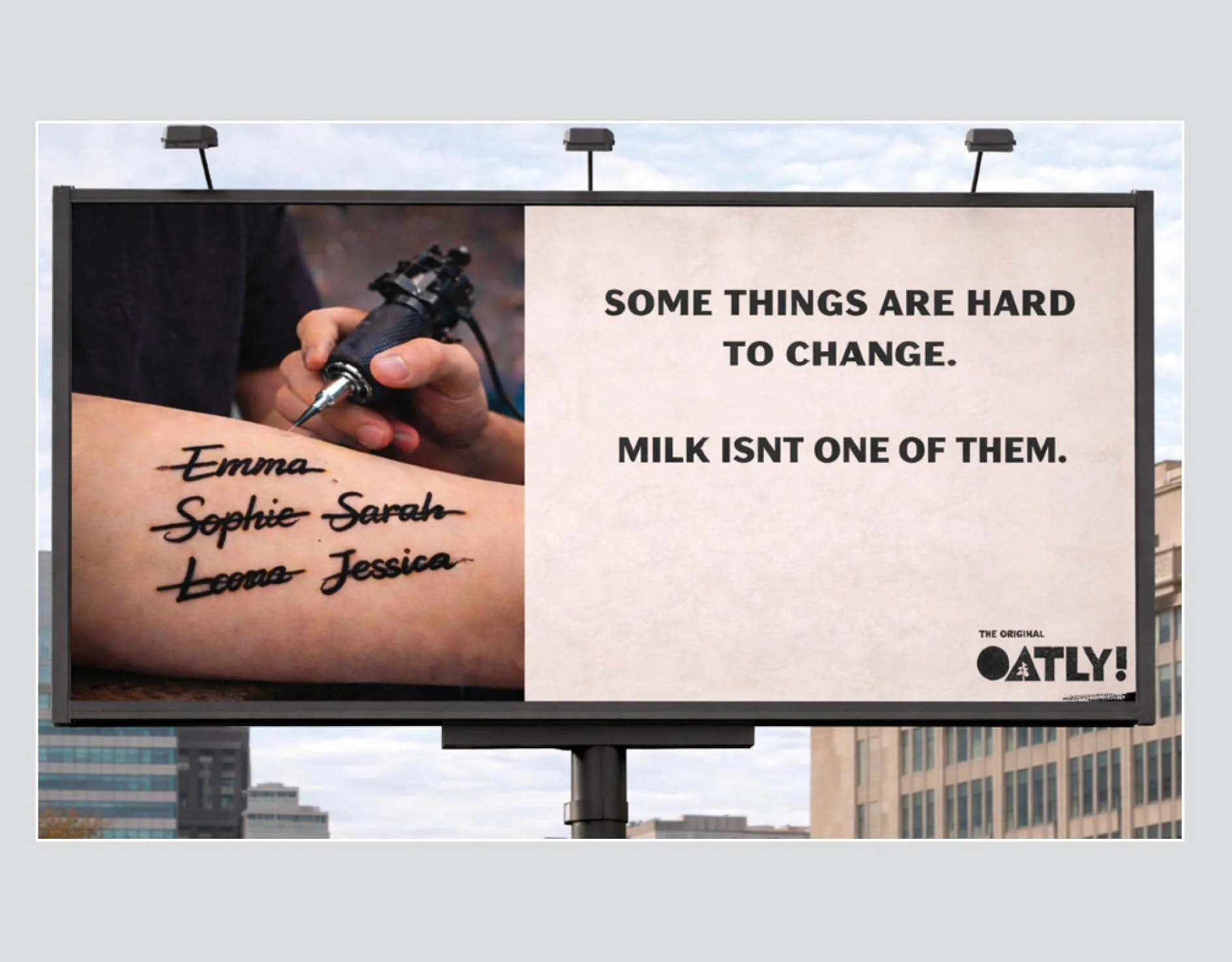
Overcoming the belief that changing to sustainable milk is difficult. By Ziana Jivanjee and Maria Roshchin
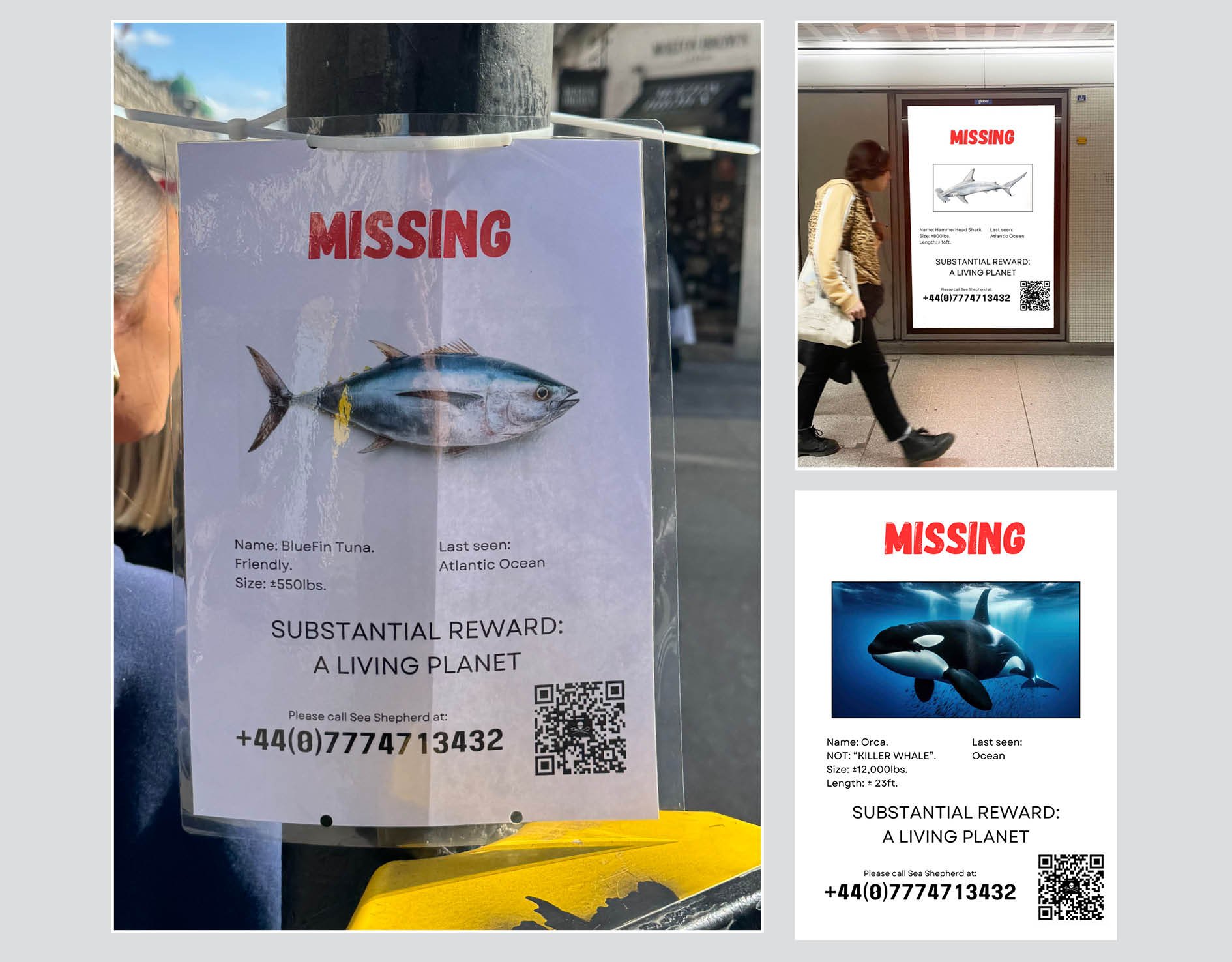
A series of ‘Missing’ posters to arouse curiosity. The surreal thought of ‘lost or missing’ fish was displayed in several locations. The student reported a high level of engagement (including two passers by taking the poster down to keep) Promoting the work of sustainable seas organisation seashepherd.org By Theo Centurion Russel
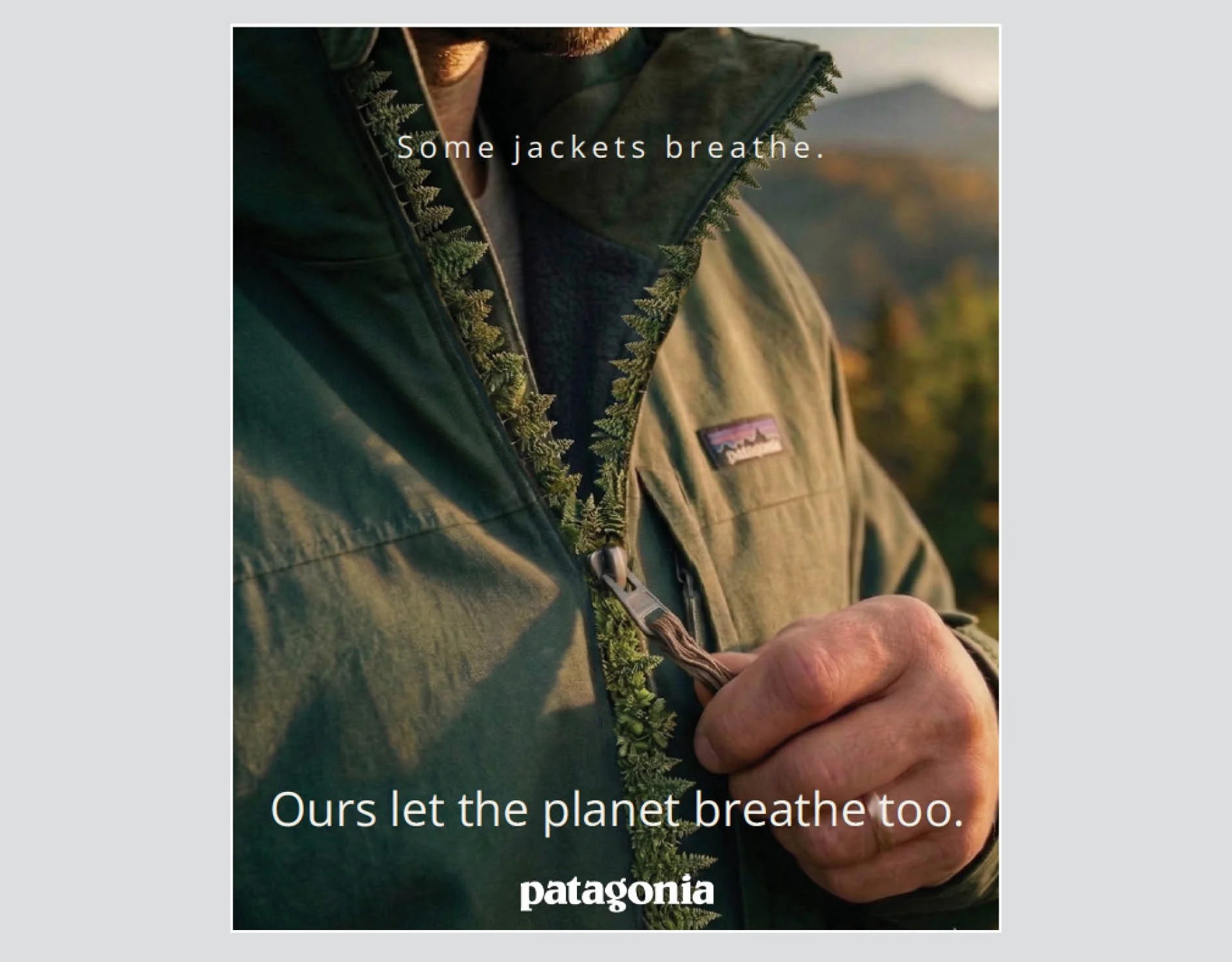
Turning a zip into trees. A sustainability message from Patagonia. By Aya Alfahim
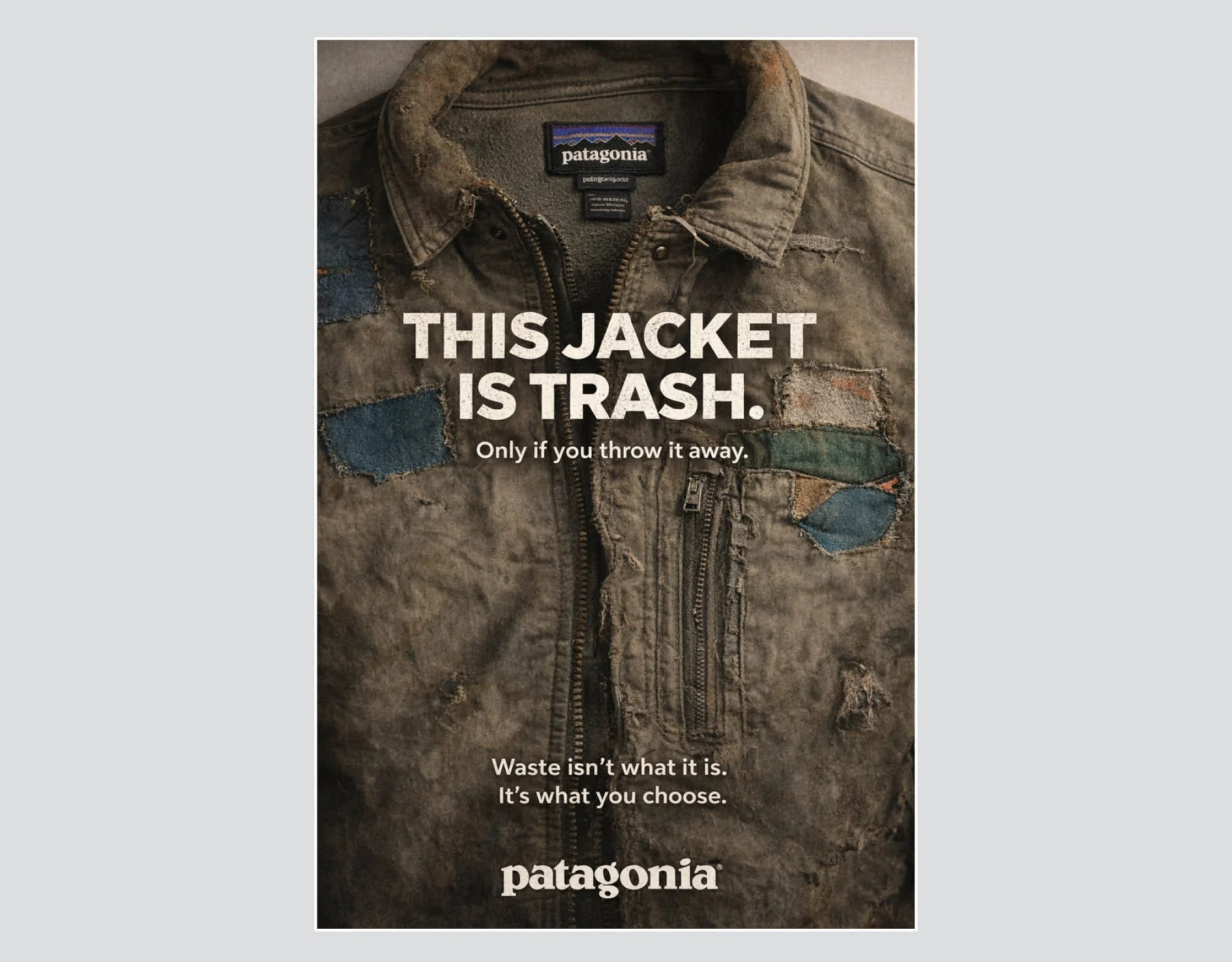
Against today’s throwaway culture. A sustainabilty message from Patagonia. By Yasmine Al Hassan
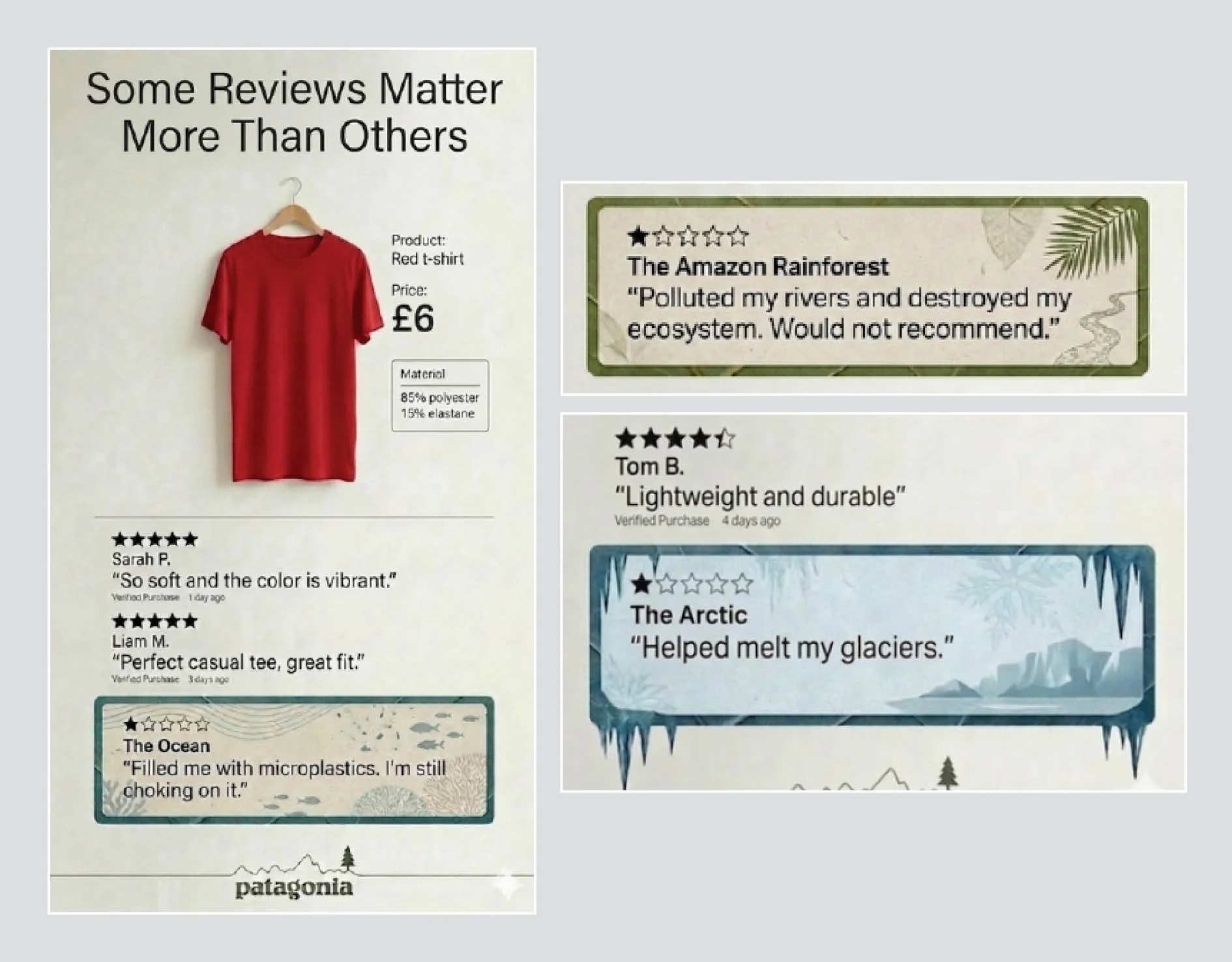
Reviews of cheap fast-fashion clothing, written by those most affected. By Aya Alfahim
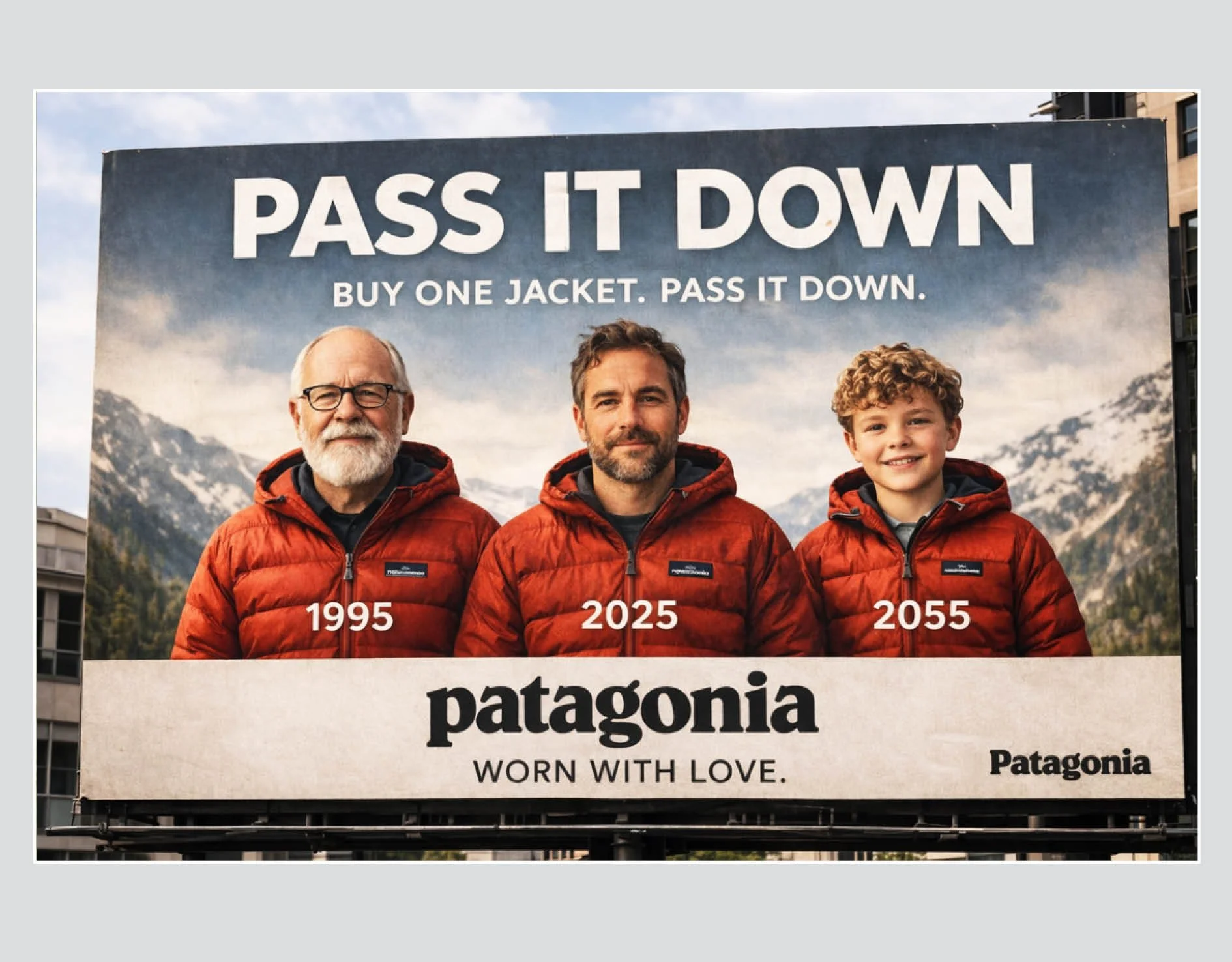
Passing important things on. Demonstrating Patagonia’s commitment to create long-lasting clothes to help the planet last too. By Yasmine Al Hassan
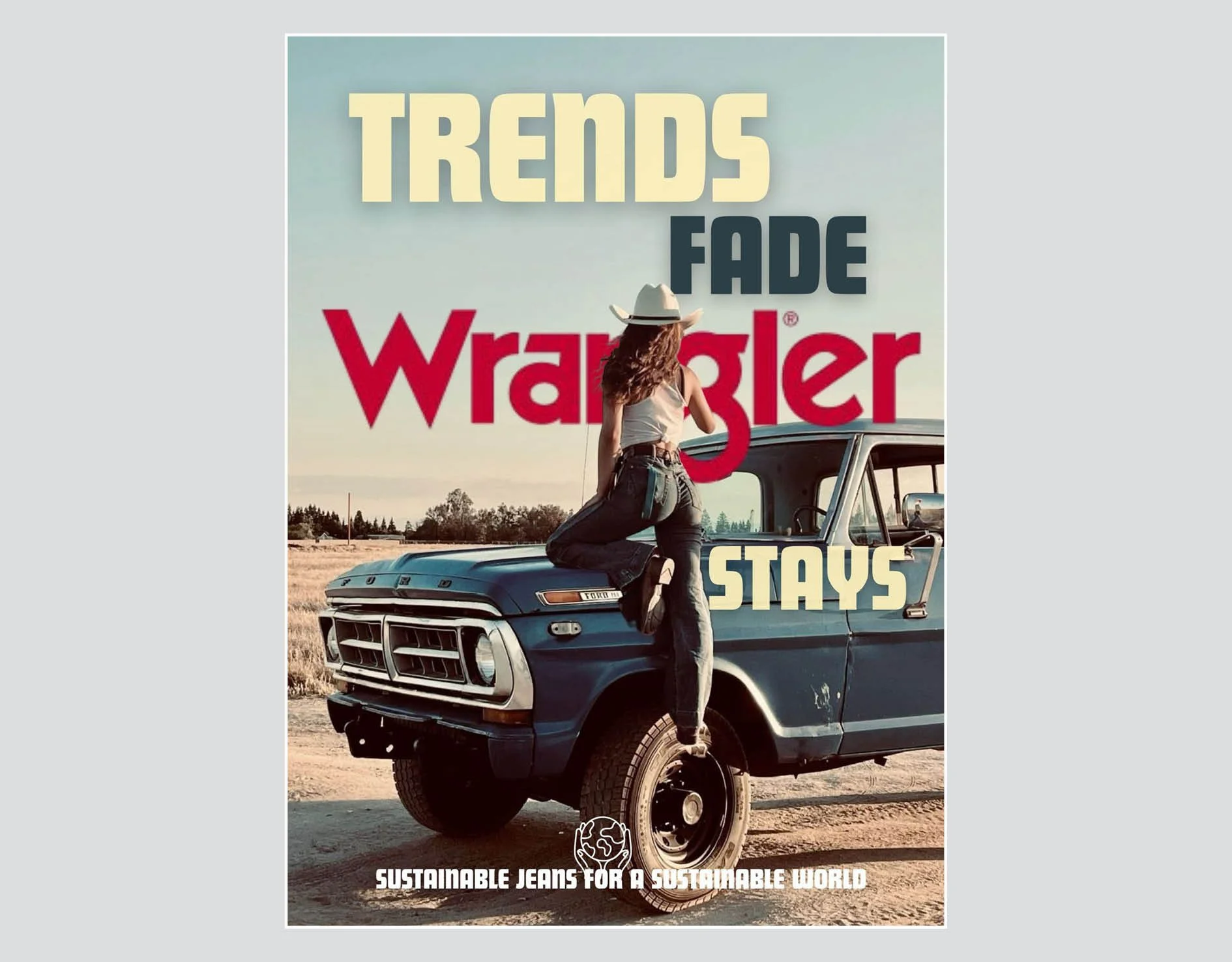
Building on Wrangler’s cowboy origins. Wrangler have extensive sustainability programmes. This execution illustrates their timeless, long-lasting ruggedness as an antidote to ever-changing and wasteful fast-fashion trends. By Zeljana Todorovic
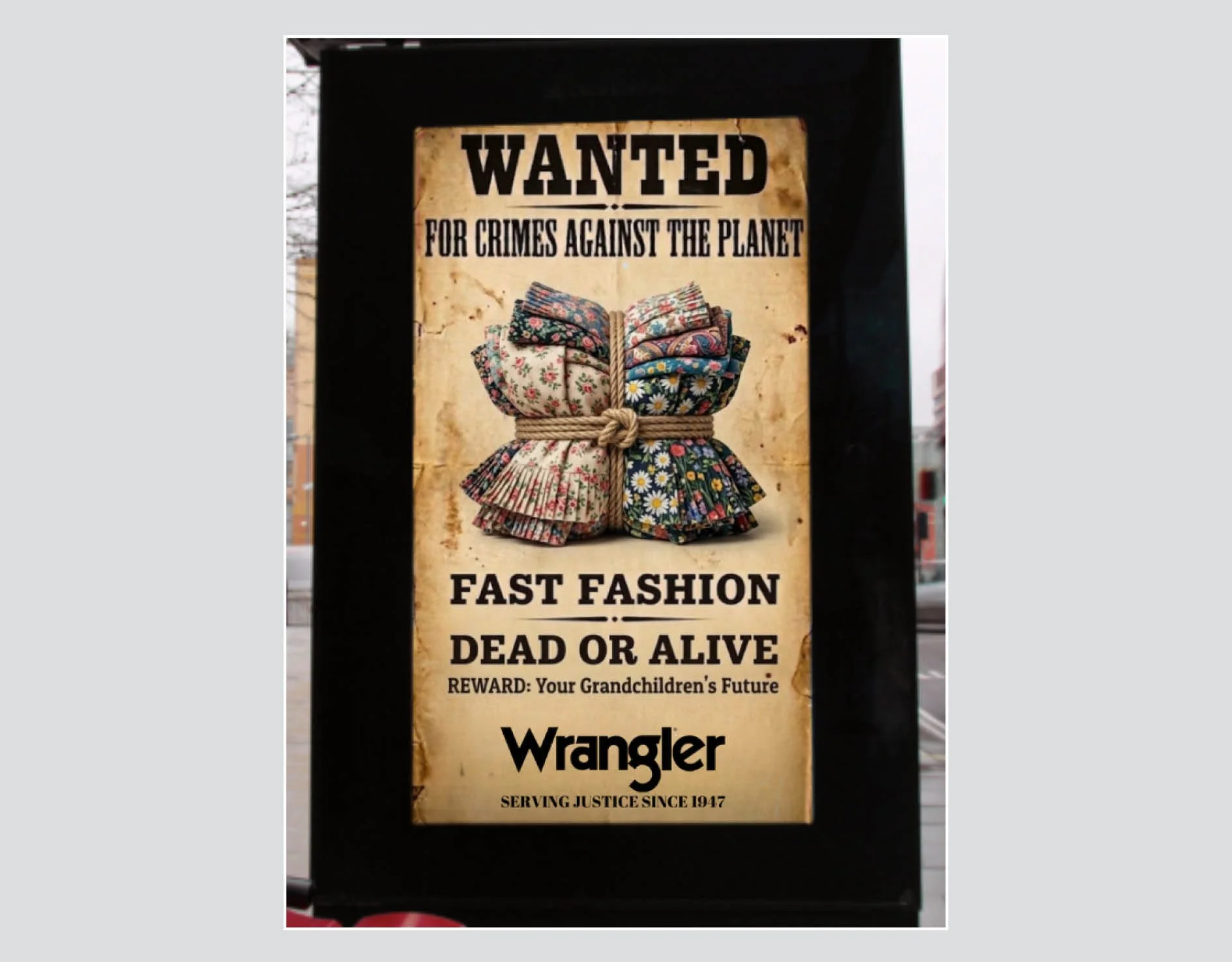
Building on Wrangler’s cowboy origins. Wrangler have extensive sustainability programmes. This execution illustrates their timeless, long-lasting ruggedness as an antidote to ever-changing and wasteful fast-fashion trends. By India Browne
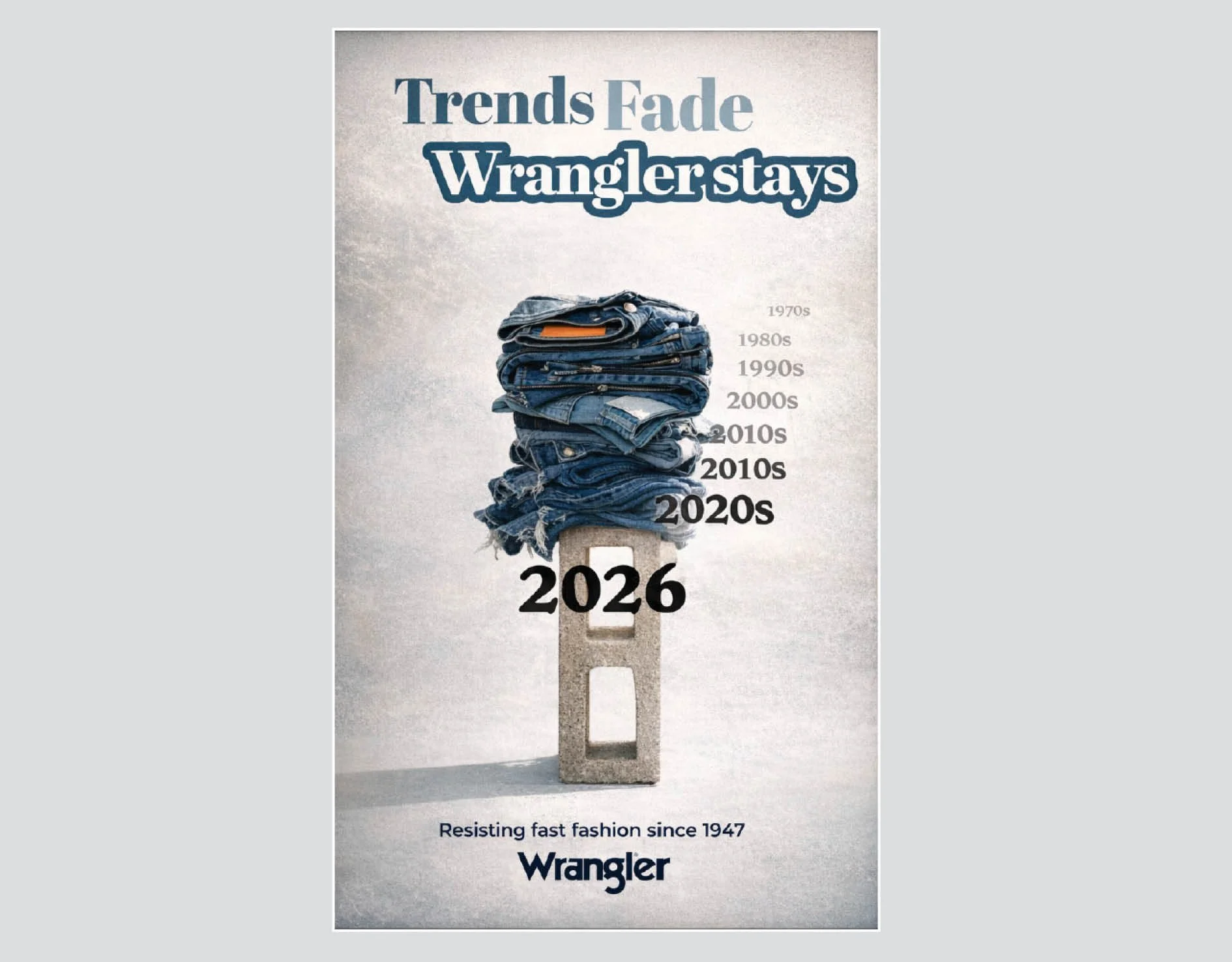
Building on Wrangler’s cowboy origins. Wrangler have extensive sustainability programmes. This execution illustrates their timeless, long-lasting ruggedness as an antidote to ever-changing and wasteful fast-fashion trends. By Ann Chu
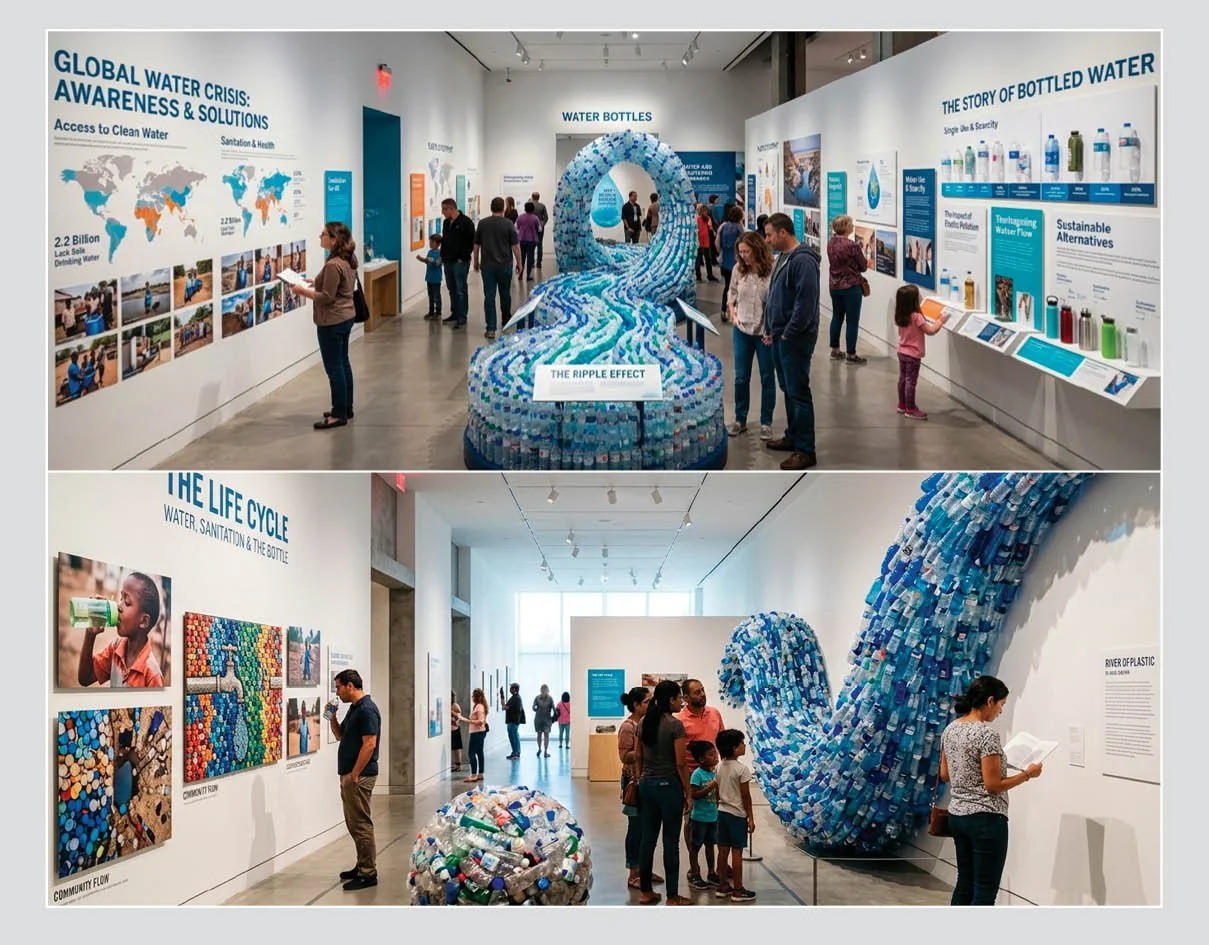
Exhibition highlighting the amount of plastic bottles in our oceans. Organised by Ocean Bottle, a sustainable bottle company. By Filip Keska, Oleksii Rolik and Alejandra Hernandez
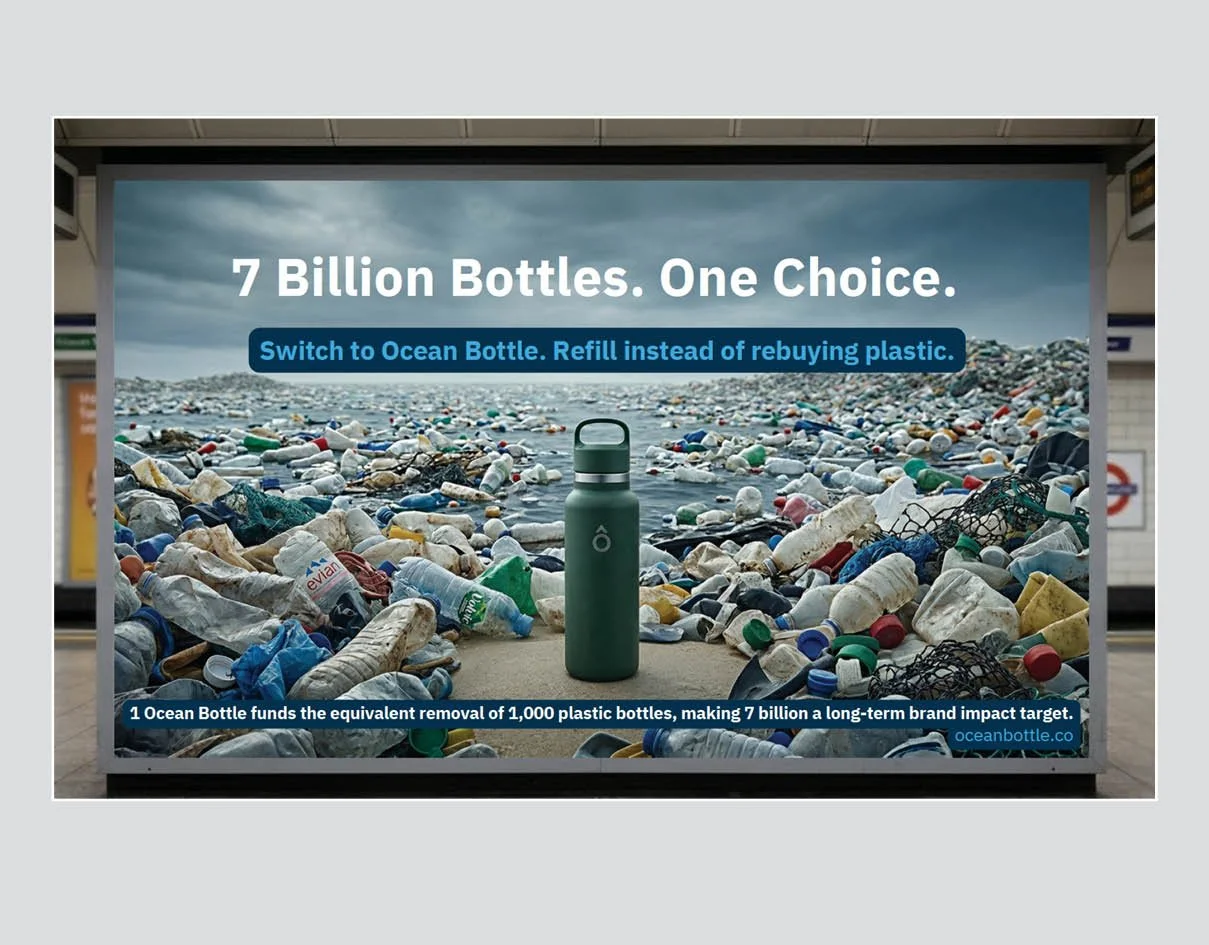
Highlighting the amount of plastic bottles in our oceans. From Ocean Bottle, a sustainable bottle company. By Oleksii Rolik
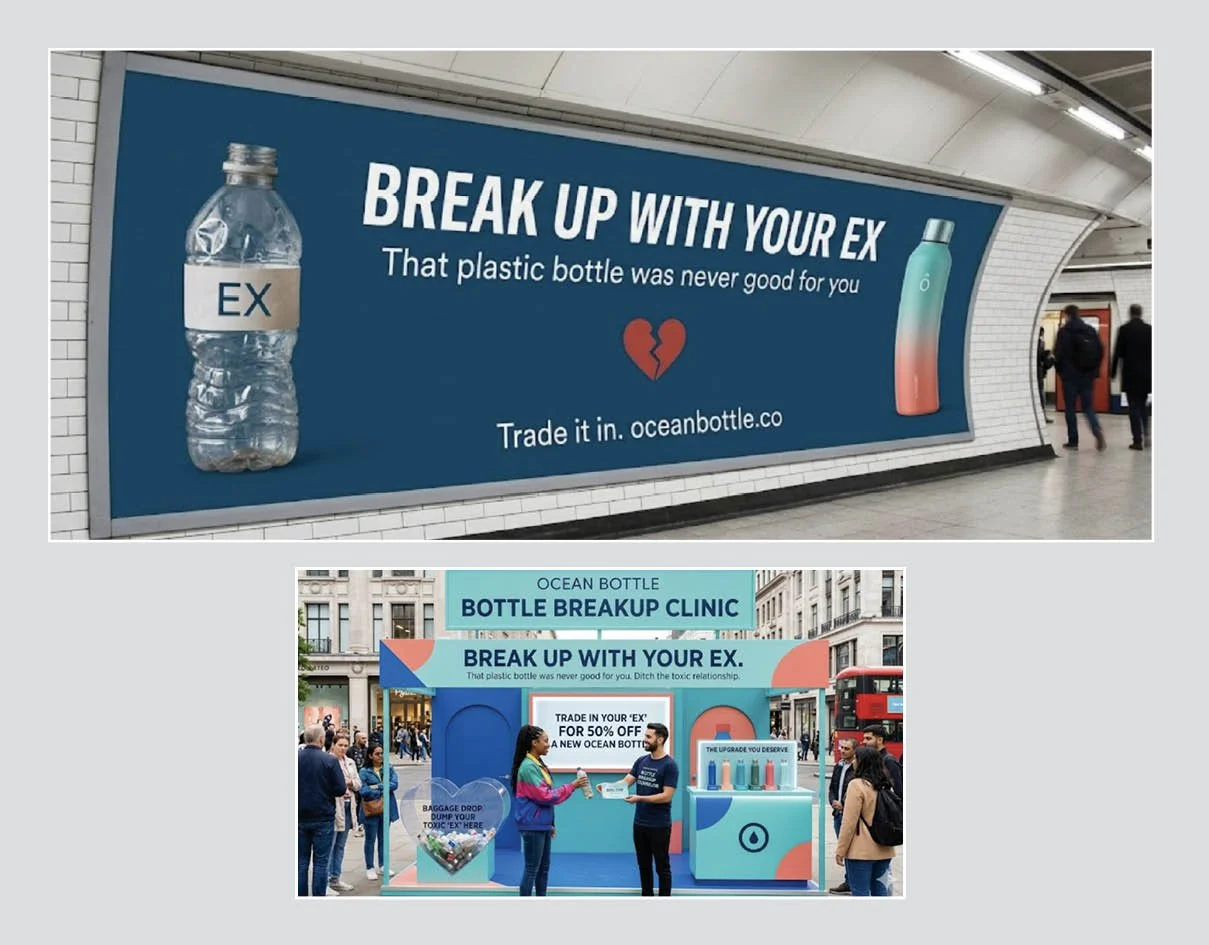
Encouraging consumers to switch from plastic water bottles, to sustainable and re-useable . From Ocean Bottle, a sustainable bottle company. By Filip Keska
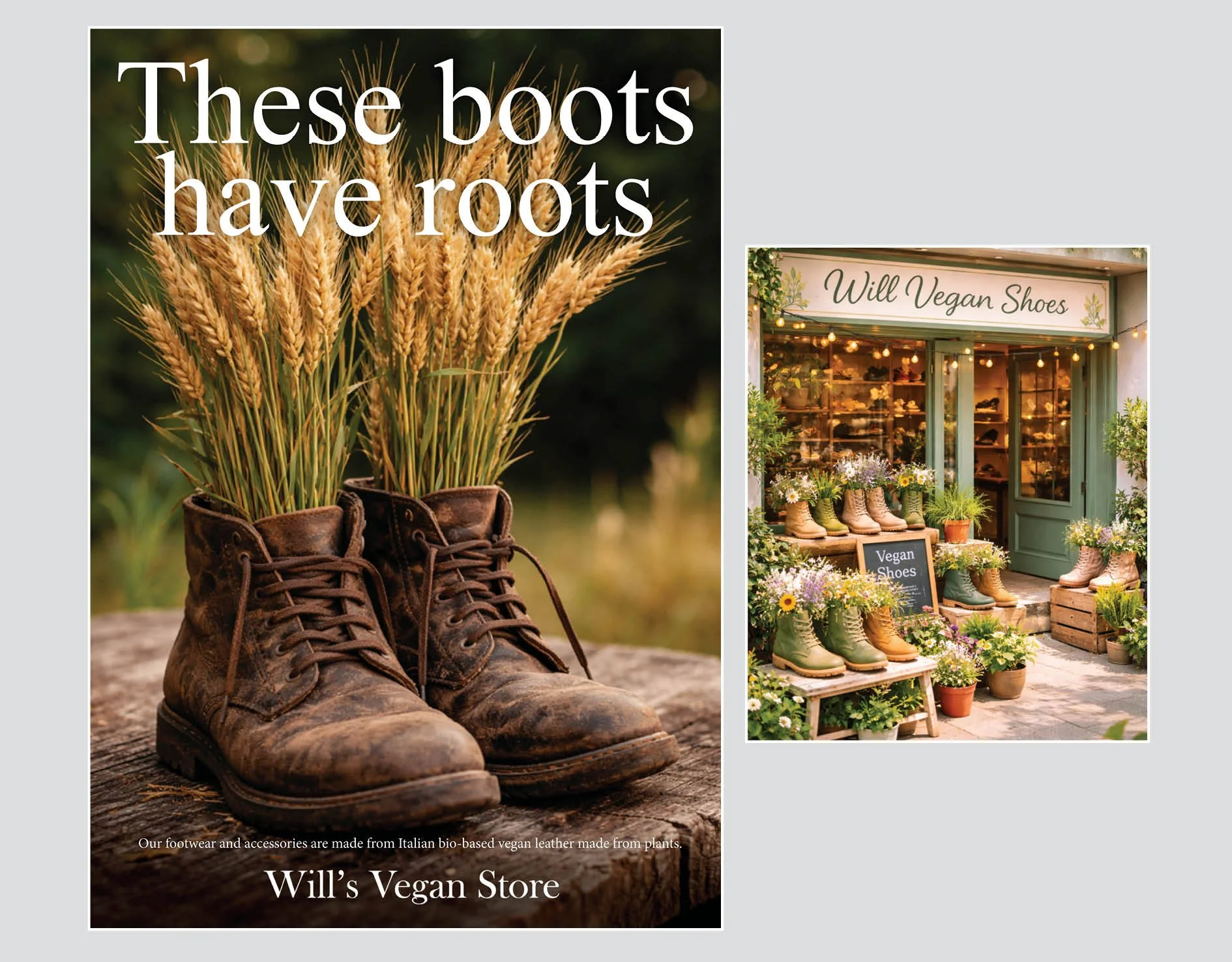
All the shoes and boots are made from plants and natural materials. Simple illustration of the product. By Nafisa Chowdhury and Benar Shwani
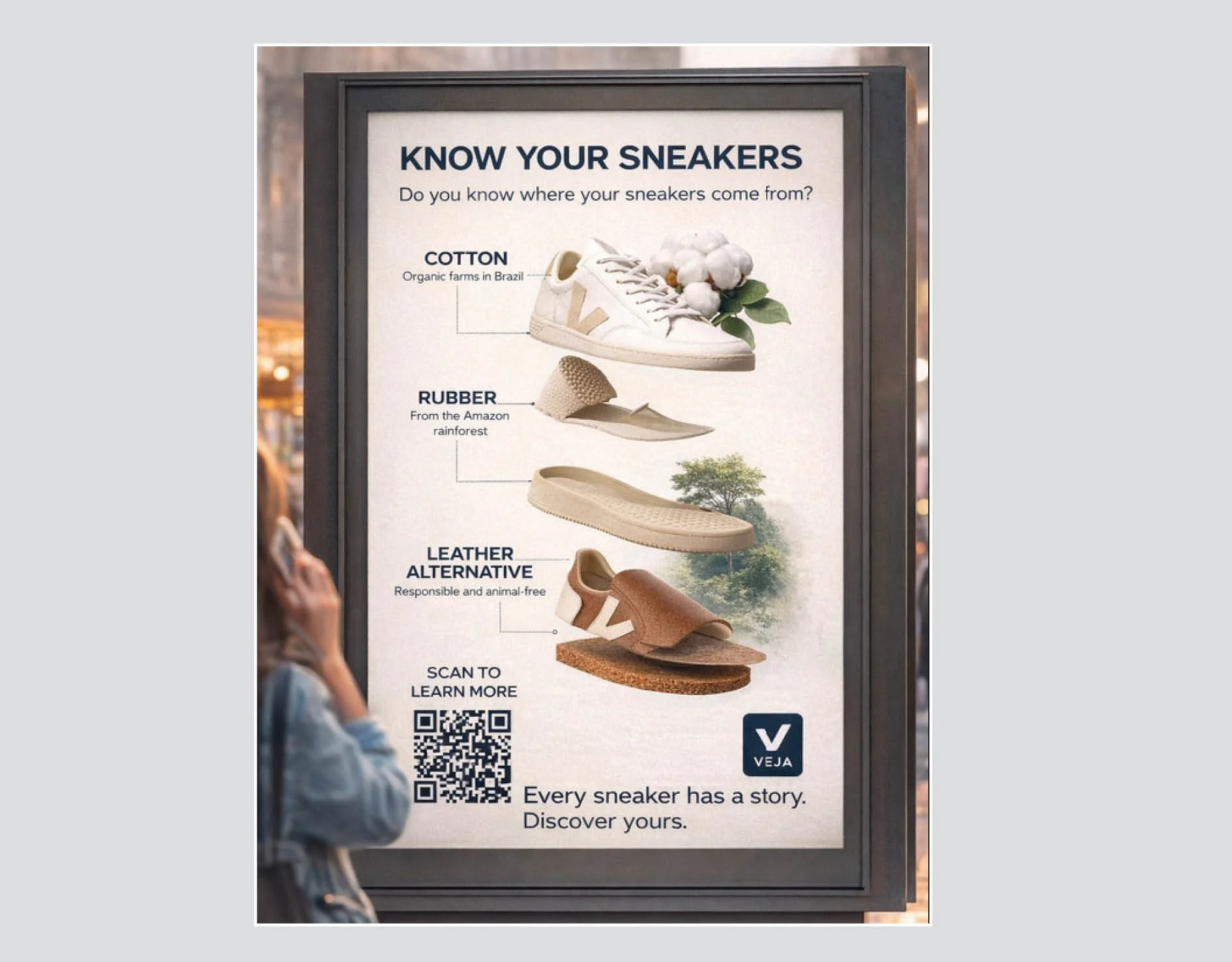
Plant-based shoes, with nothing to hide. A simple illustration of the product. By Awais Malik and Victoria Zapanta Ruiz
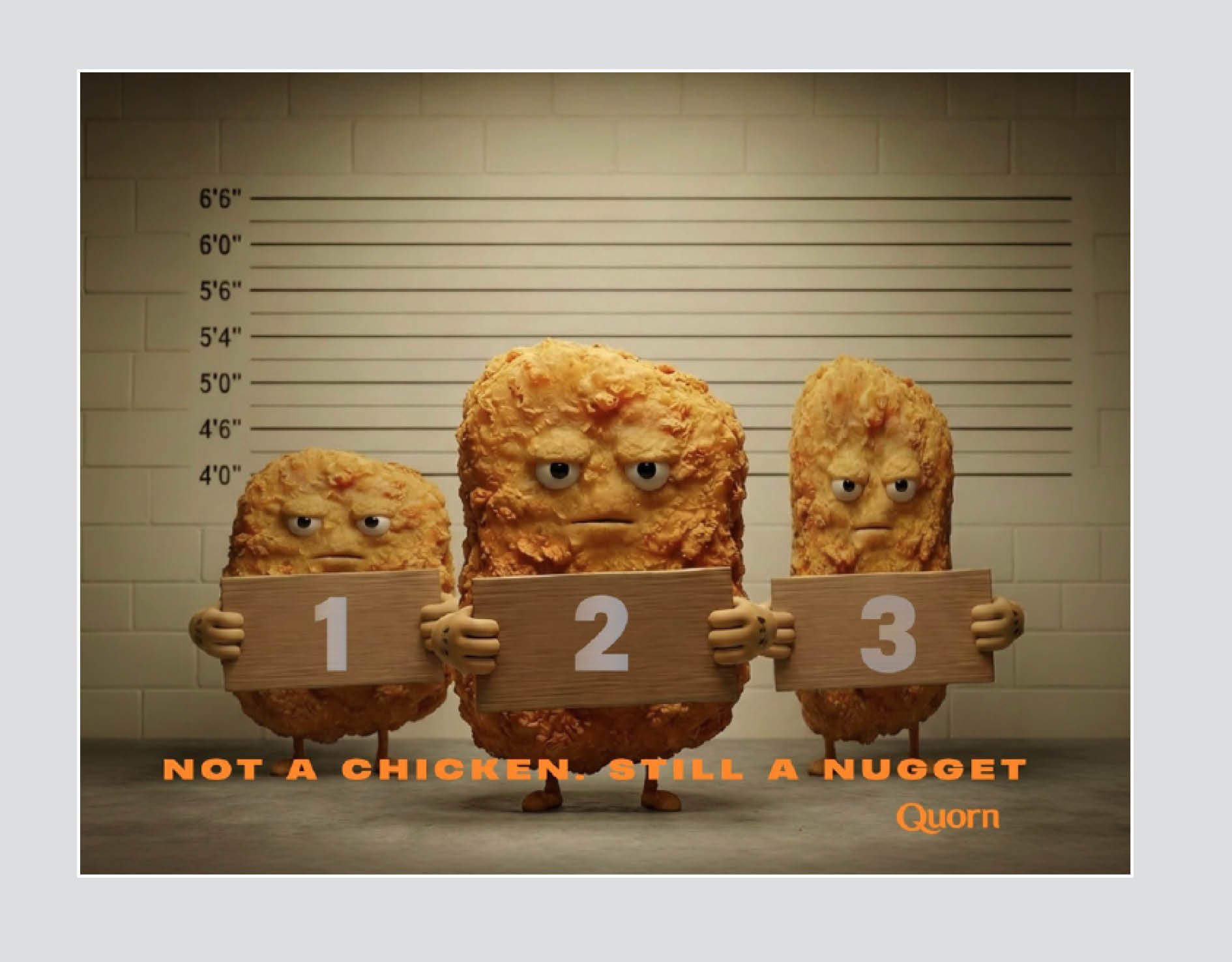
Quirky ‘Can you identify the real nugget’ approach from plant-based Quorn. By Saffron Tull
A bit of info about the module
(if you’re still reading or are interested in teaching)
‘Creative Development Enhanced with AI’ is a 12 Week module at Level 4.
For non-academics, that means twelve weekly lessons/seminars /workshops of 4 hours per week for first-year degree students taking a degree at the School of Management and Marketing (part of Westminster Business School, which is part of the University of Westminster).
The three-year course is ‘Marketing Communications with AI Integration BA’.
So these are students interested in marketing, rather than creatives.
My aim was to create a practical, slightly less academic module than most, more closely aligned to actual industry practice. Students worked in teams of two or three, on a choice of briefs: Sustainable fashion, sustainable food, or a brief of their own choice as long as it related to one of the UN Sustainability Development Goals.
Despite the title, I put the focus heavily on creative thinking and development.
With some careful use of AI when required.
So it was thinking first. AI second.
Key points and fun highlights from the module:
Paper first, digital second
Or ‘Think first, AI second’.
Students’ first move is usually to jump straight onto AI. Understandable, I guess, but I insisted they tried something called ‘thinking’ first.
Also, very few carry pens, let alone paper.
But I encouraged (forced) them to try actual paper, for actual words and scribbles. They each had to create a mind map to explore their first thoughts, observations, and even initial ideas. And I encouraged them not to limit what they put down. A few insisted on using AI to create mind maps. These were actually very thorough. But very logical. So didn’t produce many interesting areas for exploration. Some used AI to expand their own mind maps or highlight areas they’d not explored, which worked well.
Your first idea is unlikely to be your best
Students find this concept really hard. “I’ve got an idea, it’s great!”
(Or more likely “AI’s got this idea, it’s great”).
To demonstrate why it could be great, but that there may be even better ideas out there, I created an ultra-simple exercise.
I gave each student a piece of A4 paper (yes, paper again) with a circle in the middle, then gave them a few minutes to make something out of the circle. A face, a wheel, a pizza. After a few minutes, most were pretty pleased with their result.
I then gave an A3 sheet with 12 circles on, and said they had 10 minutes to fill them all in. “But that’s impossible!” Once completed, each student said which was their favourite design. Whilst a couple chose their first designs, the overall average was the 6th design. This is something I kept referring back to when students later said they’d ‘finished’ their idea, or layout. Or choice of typeface. Or visual from an AI prompt.
Struggle is good
People don’t like the discomfort of struggling. Especially students, and especially as AI has more or less removed any real struggle. I tried to help them embrace and accept struggle as an important part of learning (and life?). Some seemed to accept this concept, some less so. One student, though, wasn’t as keen, as on his module feedback put a comment in the ‘What was worst about this module section, stating that he found a brainstorming exercise ‘too challenging’. Excellent. I take this as a positive. Job done.
Working with industry worked a treat
Having worked as a creative in advertising, I have plenty of contacts. My favourites are the lovely people at a lovely creative agency, isobel.
For the last 2 years, they have given a whole morning to take students through account management, creativity, use of AI, strategy, and getting into the industry. Then commenting on the students’ work towards the end of the module. The students absolutely loved our agency visits and hearing how the business works, and how the key thing needed to get into the industry is persistence.
Non-presentation practice
The students give presentations in other modules. Sometimes well, but often not great. There are nerves, too much reading from slides or scripts, and rarely truly engaging.
For this module, I introduced a mandatory (and marked) ‘Work in progress’ session. A bit like an internal review with a creative director or account team to show initial ideas. Or perhaps a first stage informal client meeting. It was only worth 25% of the final mark, and was billed as informal. A discussion, not a presentation. Each team had to show three ideas or routes. On paper or slide, but with no (or very few) words on the slides. They had to talk through their thinking. Then I, and fellow students, would comment and discuss how they could develop the ideas further.
Actually, the real reason I introduced this was to force them to have some ideas early in the module. Rather than leaving it until the last minute, which they had in previous years, when they wouldn’t have time to push, explore and develop their ideas.
Either way, this worked extremely well, and the students presented in a far more natural, engaged and relaxed and articulate way than I’d seen them do in other modules.
Academic Theory Vs Industry Reality
When I first created this module, I was told I’d need to include a decent amount of theory. “Just talk them through academically proven methods for coming up with good ideas”. After I’d stopped laughing, I did some reading. It turns out that I (and most other creatives) had actually been using techniques that are fairly well documented.
Things such as the 4 stages of creativity, and Divergent and Convergent thinking.
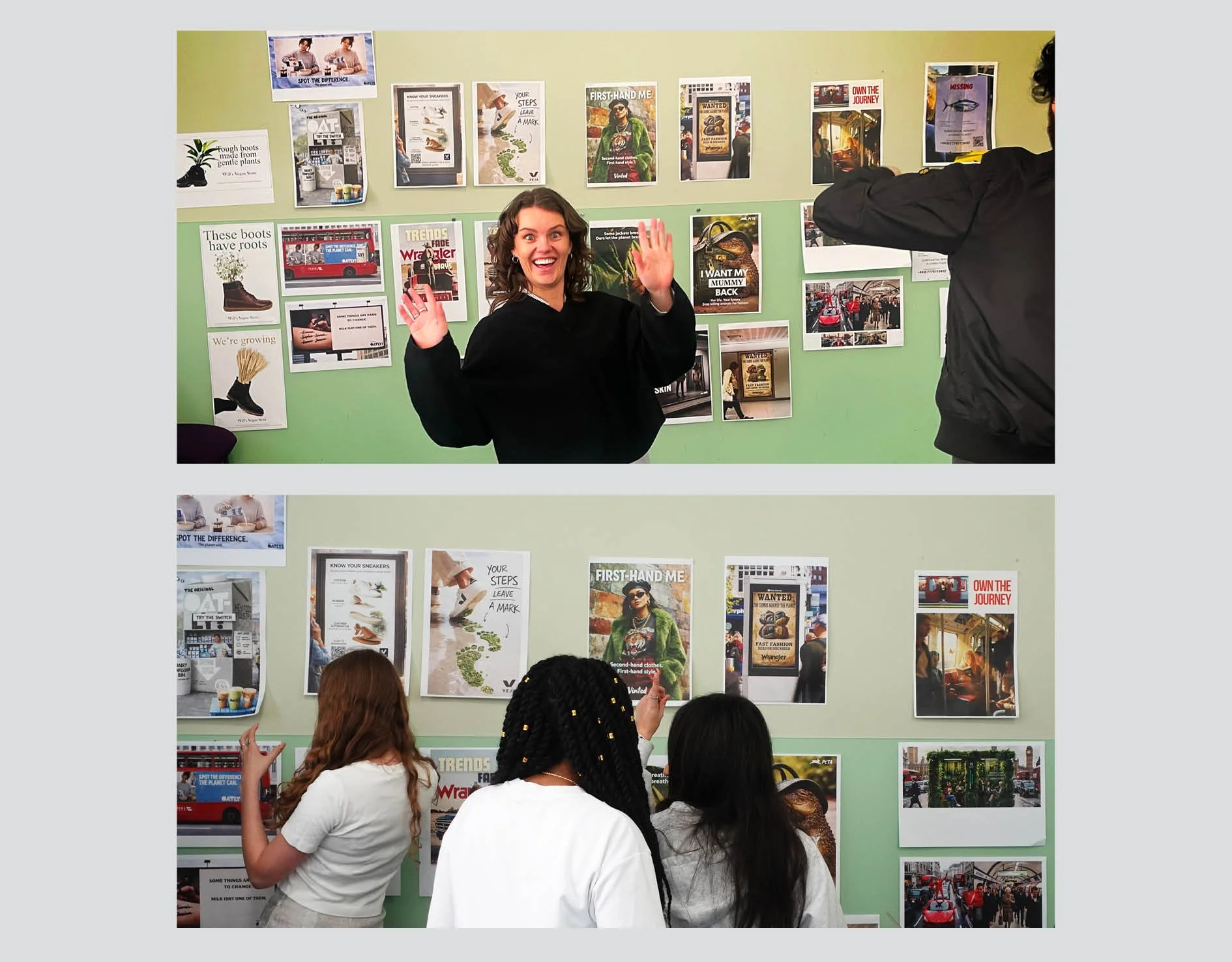
Paige Warnes from isobel comes to visit students’ work in progress.